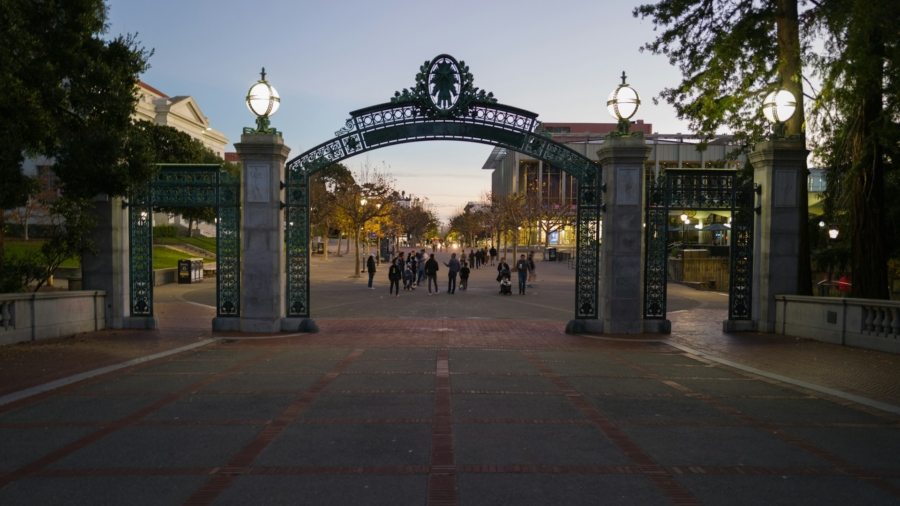


Vytautas Magnus University

Study at Vytautas Magnus University in Lithuania: Programs, Admission & Visa Guide

Studying in Europe offers students access to globally recognized degrees, multicultural experiences, and affordable education. One of the institutions attracting international students is Vytautas Magnus University (VMU), a modern public university located in Kaunas, Lithuania.

If you are considering studying in Europe, this guide will help you understand the programs available, admission process, and visa requirements for international students.

About Vytautas Magnus University

Founded in 1922, Vytautas Magnus University is known for its liberal arts education model, which allows students flexibility in choosing subjects and designing their academic paths.

The university offers programs across multiple disciplines including humanities, social sciences, business, technology, and the arts.

Students benefit from:

  • Modern laboratories and learning facilities
  • International partnerships with universities worldwide
  • A diverse student community
  • High-speed internet access across most university spaces

VMU encourages interdisciplinary learning and gives students the opportunity to develop critical thinking and global perspectives.

Degree Programs Available

Vytautas Magnus University offers several degree options for international students.

Bachelor’s Degree Programs

Undergraduate programs cover fields such as:

  • Business and Economics
  • Political Science and Diplomacy
  • Informatics and Technology
  • Social Sciences
  • Languages and Cultural Studies

Master’s Degree Programs

Graduate students can pursue advanced degrees in areas including:

  • International Politics and Development Studies
  • Business Administration
  • Bioeconomy and Sustainability
  • Public Management

Programs are offered in English, making them accessible to international applicants.

Admission Timeline for International Students

Applications for degree programs usually open several months before the academic year begins.

For the 2026–2027 academic year, application timelines include:

  • Applications for Master’s programs open around November
  • Applications for Bachelor’s programs open around December
  • Deadlines for international applicants may fall between April and May depending on the program.

Students are advised to apply early to allow enough time for visa processing and travel preparation.

Accommodation and Student Life

International students studying at VMU can apply for university dormitories once they are accepted and have paid their tuition fees. However, accommodation availability may be limited due to high demand.

Living in Kaunas offers students a vibrant cultural environment, modern infrastructure, and opportunities to interact with students from different countries.

Visa Requirements for International Students

Students from countries outside the European Union usually need a national student visa or residence permit before arriving in Lithuania.

Typical visa requirements include:

  • Admission letter from the university
  • Valid passport
  • Proof of financial support
  • Health insurance
  • Accommodation details

It is important to begin the visa application process early to avoid delays before the academic year begins.

Why Study in Lithuania?

Lithuania is becoming a popular destination for international students because of:

  • Affordable tuition fees compared to many Western European countries
  • Safe and student-friendly cities
  • High-quality European education system
  • Opportunities for cultural exchange and international networking

Universities like Vytautas Magnus University provide a welcoming environment for students from across the world.

Start Your Study Journey

If you are interested in studying at Vytautas Magnus University, our advisors at Diva Overseas Study Consult can guide you through the entire process—from choosing a program to completing your application and visa requirements.

Learn more about studying at Vytautas Magnus University here:

Or
Book a Free Consultation with our advisors today.

Study Abroad Destination

Most affordable countries to study abroad for Nigerians

Introduction

Thinking of studying abroad but worried about the cost? Study Abroad Destinations that won’t break the bank do exist—and they’re more appealing than ever. This post explores the most affordable countries Nigerian students can consider in 2025. You’ll find not just rankings but actionable insights, comparison tables, and real stories to help you decide.

Students Graduating in their study destination abroad
Photo credit: Nqobile Vundla on Unsplash

The Leading Affordable Destinations

Drawing from reliable sources and current trends, here are the standout affordable study destinations for Nigerian students:

Country / RegionWhat Makes It AffordableHighlights
GermanyNo tuition fees at public universities; low semester fees (~€150–350) (Wikipedia)Strong STEM and research programs; access to scholarships and student jobs.
FranceMinimal tuition even for international studentsRich culture, programs in humanities, arts, and social sciences.
Nordic Countries (Finland, Sweden, Denmark, Norway)Free or low-cost education, quality of life (Top Universities)Excellent infrastructure, scholarship support, and innovation-driven education.
Poland, Portugal, Greece, EstoniaLow cost of living + affordable tuition (Go Overseas)Emerging as value-for-money European hubs with growing English programs.
Malaysia & TaiwanBudget-friendly tuition and living costs (GradRight)English-friendly campuses, cultural comfort, with vibrant student communities.
HungaryAffordable tuition & living, easier admission, Schengen accessAccessible gateways to Europe with solid opportunities.
TurkeyGenerous government scholarships (Türkiye Scholarships) (Wikipedia)Comprehensive funding covering tuition, allowances, and travel.

Key Insights & Grounded Perspectives

1. Germany: High Quality, No Tuition

Germany remains a top pick—not just for Western Europeans, but globally. Public universities do not charge tuition, only a manageable semester contribution (~€150–350) (Wikipedia). Pair that with vibrant job markets and scholarship opportunities, and you get unbeatable value.

2. European Value Hubs

Countries like Poland, Greece, and Portugal beautifully balance affordability and cultural richness. Tuition and living costs stay low, especially in less-touristy cities. Estonia and Portugal also emerge as efficient, newcomer-friendly learning hubs.

3. France and the Nordics: Hidden Gems

While France is often overlooked, its public university system remains remarkably affordable for Nigerians and other internationals alike. The Nordic countries offer free or subsidized education—including doctoral levels—for many programs, pairing academic prestige with low cost (Investopedia).

4. Asian Value Plays: Malaysia & Taiwan

If you’re regionally inclined, consider Malaysia and Taiwan. These nations offer cost-effective, English-medium programs and robust scholarships, making them accessible study destinations (Amberstudent).

5. Turkey & Hungary: Affordability with Accessibility

Turkey’s scholarship program is among the world’s most generous, offering complete funding for multiple study levels. Hungary combines affordable tuition with easier visa and admission procedures—plus Schengen mobility (Wikipedia).

Fresh Perspectives & Real-Life Stories

Instead of glossing over just facts, imagine:

  • A Nigerian medical aspirant lands a full scholarship in Turkey and covers tuition, housing, and living expenses—literally stepping into the classroom without financial stress.
  • A friend shared their Polish classroom had tuition under $2,000/year and cozy rent in Kraków, making postgraduate life surprisingly easy on the pocket.
  • Another peer in Finland pursues sustainability studies—tuition-free and topped with generous living stipends—granting peace of mind and learning focus.

These stories are more than hearsay—they reflect the trends and data outlined above.

Transitioning Through Your Decision

  • Clarify Your Budget: Include tuition, living, visa, and travel—not just headline costs.
  • Match Programs with Costs: Germany, Hungary, or Turkey might suit STEM/tech. Malaysia or France could serve humanities and business.
  • Scholarships & Work Rights: Prioritize destinations offering funding or post-study employment options.
  • Language & Comfort: If you thrive in English, Malaysia, Taiwan, or Nordic countries offer ease. Longer language adaptation could still be worth it for reduced costs.

Finally,

Your dream of studying abroad doesn’t need to mean huge expenses. Germany, France, the Nordics, Poland, Portugal, Estonia, Malaysia, Taiwan, Hungary, and Turkey all stand out as smart, budget-savvy destinations for Nigerian students in 2025.

Your Next Steps:

  • Comment which destination feels most exciting—and why.
  • Explore our site’s series on scholarships, visa steps, and student life.
  • Subscribe for personalized tips, application templates, and candid student stories.

Remember: A great education abroad is about fit—not just affordability. Find your best fit, and make 2025 your year abroad. Click here to start your application today

Visa Denials Common Mistakes 1

Visa Denials: Common Mistakes and How to Avoid Them

Introduction: When Your Dreams Face a Visa Denial

Applying for a student visa is a crucial step toward studying abroad—a dream for many students worldwide. Unfortunately, visa refusals happen frequently and can be disheartening, especially when caused by preventable errors. Understanding the common reasons for visa denials and learning how to avoid these pitfalls can improve your chances of approval and prevent delays or wasted efforts.

This guide merges expert insights and real-world examples to help you navigate the complex visa process with confidence.

Passport - Visa Denials Common Mistakes
Photo credit: Global Residence Index on Unsplash

Understanding Visa Denials: Key Terms and Concepts

Before exploring common mistakes, it’s essential to understand the terminology. Visa applications can be refused (denied after review) or rejected (not processed due to technical errors). The U.S. Immigration and Nationality Act (INA) outlines specific grounds for ineligibility, such as security risks, criminal history, or failure to prove non-immigrant intent. For instance, INA Section 214(b) is frequently cited for tourist and student visas when applicants fail to demonstrate strong ties to their home country. Similarly, INA Section 221(g) applies when applications are incomplete or require administrative processing. Recognizing these terms helps applicants address specific issues during reapplication (travel.state.gov).

Why Do Student Visas Get Denied? The Core Reasons

1. Incomplete or Incorrect Documentation

Consulates and embassies have strict requirements for documentation. Missing pages, incorrect or inconsistent details, or outdated forms are common reasons for rejection.

  • Examples: Omitting required supporting documents, filling forms incorrectly, or submitting mismatched information across documents.
  • How to Avoid:
    • Carefully check visa checklists provided by consulate websites.
    • Use only the latest application forms from official sources.
    • Review all documents multiple times for completeness and consistency.
    • Seek guidance from education consultants or visa experts if unsure.

2. Insufficient Financial Proof

One of the main reasons for denial is the inability to demonstrate stable and adequate financial resources to cover tuition, living expenses, and other costs during your stay.

  • Examples:
    • Bank statements showing sudden or unexplained large deposits.
    • Lack of sponsorship letters, scholarship proof, or affidavits.
  • How to Avoid:
    • Submit bank statements covering at least 3–6 months showing steady financial stability.
    • Include official sponsorship letters or scholarship award letters.
    • Provide supporting documents such as tax returns, employment letters, or property ownership certificates of sponsors.
    • Provide explanations for large or unusual transactions in your financial records.

3. Failure to Demonstrate English Language Proficiency

Most countries require proof of language proficiency through recognized tests such as IELTS, TOEFL, or PTE. Not meeting the minimum required score or submitting expired/invalid certificates can cause denial.

  • How to Avoid:
    • Take language tests well in advance to meet or exceed visa and university requirements.
    • Ensure test scores are valid for the time of visa application and are officially submitted.

4. Weak or Missing Statement of Purpose (SOP)

A vague or poorly structured SOP can raise doubts about your genuine academic intentions, impacting visa approval.

  • How to Avoid:
    • Draft a clear, convincing SOP that outlines your academic goals, reasons for choosing the course and university, and career plans post-study.
    • Make sure your SOP aligns with other application details.
    • Consult experienced mentors or consultants for feedback.

5. Lack of Strong Ties to Home Country

Visa officers need to be convinced that you intend to return after your studies. Weak proof of ties such as family, property, or a job offer in your home country can result in denial.

  • How to Avoid:
    • Provide evidence of family connections, property ownership, or employment commitments at home.
    • Clearly express plans to return after your studies in your SOP and during the visa interview.

6. Poor Interview Preparation

The visa interview is a pivotal step. Applicants who are nervous, provide inconsistent answers, or lack appropriate documentation often face rejection.

  • How to Avoid:
    • Practice common questions about your study plans, financial support, and home ties.
    • Be honest, confident, and concise during the interview.
    • Carry organized and complete documents to support your answers.

7. Applying for the Wrong Visa Category or Showing Unclear Intent

Applying under the incorrect visa type or failing to establish non-immigrant intent (especially for student visas) raises red flags.

  • How to Avoid:
    • Understand the different visa types and select the correct one for your situation.
    • Clearly state your purpose for studying abroad and your intention to return home after.

8. Expired or Invalid Documents, Missed Deadlines

Using expired passports or outdated documents, or submitting applications past deadlines, can lead to automatic rejections.

  • How to Avoid:
    • Ensure your passport and all supporting documents are valid for the duration of your stay plus additional time as specified.
    • Track and adhere to all application deadlines strictly.

9. History of Visa or Immigration Violations

Previous visa overstays, deportations, criminal records, or false information on past visas severely affect new applications.

  • How to Avoid:
    • Disclose all past violations transparently.
    • Obtain legal advice if necessary and apply for waivers if eligible.
  • Applicants from some countries, including Nigeria applying to the UK, face increased scrutiny based on profiling and concerns about overstaying. In such scenarios, demonstrating strong financial backing and deep home ties becomes critical.
  • Graduation visit visas may be denied despite student status if financial evidence is insufficient, even when students are formally invited.

Summary Table: Common Visa Denial Reasons & Solutions

Common MistakeDescriptionHow to Avoid
Incomplete DocumentationMissing, incorrect or inconsistent documentsUse updated forms; double-check; seek expert help
Insufficient Financial ProofWeak or suspicious financial evidenceProvide detailed, authentic bank statements & sponsorship proof
Language ProficiencyFailing to meet test score requirementsTake standardized tests early; submit valid scores
Vague Statement of PurposePoorly written or inconsistent motivesWrite clear, aligned SOP with professional help
Weak Ties to Home CountryLack of family, job, or property proofProvide documentation proving strong home ties
Poor Interview PerformanceNervousness, vague or inconsistent answersPractice interview questions; be confident and honest
Wrong Visa Category or IntentApplying for unsuitable visa or unclear intentSelect correct visa; clearly state plans
Expired/Faulty DocumentsOutdated passports or missed deadlinesEnsure validity; adhere to timings
Past Immigration ViolationsHistory of overstaying, misrepresentationDisclose fully; consult legal advice

Steps to Strengthen Your Visa Application

  1. Research Thoroughly: Know the specific requirements for your visa category and embassy.
  2. Organize Documentation: Prepare all documents well in advance, ensure translations if needed.
  3. Prepare Financial Proof: Provide consistent, verifiable financial evidence showing sustained support.
  4. Craft a Convincing SOP: Align your academic and career goals with your study plans.
  5. Practice the Interview: Anticipate questions, practice honest and clear responses.
  6. Apply Early and Track Status: Submit your application well before deadlines and monitor processing.
  7. Seek Expert Help When Needed: Immigration consultants or legal advisors can provide personalized guidance.

What to Do If Your Visa Is Denied

  • Request a Written Explanation: Understand the exact reasons for refusal, often provided under specific immigration laws.
  • Address the Issues: Fix paperwork errors, strengthen financial proof, clarify ties to your country.
  • Reapply Promptly: There is usually no mandatory waiting period, but ensure significant improvements in your application.
  • Consider Appeals or Waivers: For specific grounds like criminal history, legal avenues may be available.
  • Learn from Experience: Many applicants succeed after denial by improving their documents and interview skills.

Conclusion: Turning a Visa Denial Into a Success Story

Visa denials can feel like a dead end but are often avoidable with meticulous preparation and understanding of common pitfalls. From complete, consistent documentation and strong financial proofs to conducting a confident interview and proving your intent to return home, each step can significantly improve your chances.

Remember that a refusal is often an opportunity to strengthen your application and try again with renewed clarity and confidence. Stay informed about changing policies in 2025, prepare meticulously, and reach out for expert help if necessary.

Your Next Steps:

  • Review your current visa application checklist against this guide.
  • Practice your interview and refine your SOP and financial documents.
  • If you need personalized assistance, consider consulting immigration experts for document review and interview preparation.

Your global education dreams deserve diligent preparation. Let’s make your visa approval journey a successful one, contact us now [here].

International Student secured scholarship

Fully Funded Top Scholarships Opportunities for Nigerians in 2025

Top Scholarships for Nigerians in 2025

Student studying abroad on scholarship funds.
Image credit: Divaris Shirichena on Unsplash

What if funding your studies was the easiest part?

For many Nigerian students, the dream of studying overseas often collides with the harsh reality of tuition fees and living costs. But here’s the good news: 2025 is shaping up to be one of the best years yet for fully funded opportunities. We’ve curated these Top Scholarships for Nigerians with one goal in mind—making access to world-class education not just a possibility, but a practical reality.

Whether you’re an undergraduate searching for tuition support, a graduate student aiming for a fully funded master’s, or even a PhD hopeful, the scholarships in this guide cut through the noise. You’ll find clarity, credible options, and fresh insights—so funding your studies can finally feel less like a dream and more like your next step.

Global Full-Ride Scholarships: Prestige Meets Zero Cost

Fulbright Foreign Student Program (USA)

One of the most prestigious opportunities globally, this program funds tuition, monthly stipends, airfare, health insurance—and often more—for Master’s and PhD candidates. It’s administered by the U.S. Embassy and EducationUSA in Nigeria. (AmberStudent guide)
Why it stands out: It not only covers costs comprehensively but also opens doors to top U.S. institutions and elite networks.

Chevening Scholarship (UK)

Funded by the British Foreign, Commonwealth & Development Office, Chevening supports one-year postgraduate master’s programs in the UK. Nigerian applicants have enjoyed greater visibility, with over 1,500 having benefited since 1983. (Wikipedia)
Edge: Generous living stipends, tuition, and return airfare for aspiring global leaders.

Gates Cambridge, DAAD, MEXT & University-Specific Grants

  • Gates Cambridge (UK): Prestigious funding for university-level research and graduate studies.
  • DAAD Scholarships (Germany): Multiple fully funded programs available across disciplines.
  • MEXT (Japan): Asian-focused scholarships with full coverage.
  • Mastercard Foundation at Edinburgh: Targeted support for African students.

Türkiye Scholarships

This Turkish government-run initiative offers undergraduate to doctoral scholarships—including tuition, living stipend, health insurance, and travel allowances. It is one of the largest programs offering broad international coverage. (Wikipedia)
Highlight: Huge scale and deep reach make it one of the most accessible top scholarships for Nigerians.

Mandela Rhodes Scholarship (South Africa)

Awarded to exceptional African students under 30, it fully covers postgraduate degrees at South African universities, and includes tuition, room/board, travel, book allowance, and leadership training. (Wikipedia)
Unique angle: Focuses on leadership among African scholars—powerful for students with a social impact vision.

University & Regional Scholarships with High ROI

Global Futures Scholarships (University of Manchester)

Live mentoring, £8,000/year for three years for African students pursuing UG or Master’s programs. Nigerian students are eligible alongside peers from select countries. (University of Manchester site)
Why it matters: Combines financial support with access to a strong academic network and community.

Scholarships From Nigerian Foundations & NGOs

FATE Foundation Scholar Programme

This initiative supports exceptional STEAM undergraduates in Nigerian public tertiary institutions—with financial aid, mentoring, and internship opportunities for up to four years. (Application deadline: mid-May 2025.)
Personal perspective: Alumni cite the mentorship network as more impactful than the monetary grant itself.

NIPES Scholarship

Offered by the Nigerian Institution of Professional Engineers and Scientists: ₦1,000,000 total award across five winners in fields like engineering and pure sciences. Applicants must complete a free NIPES course as part of eligibility. (OpportunityDesk coverage)
Sweet spot: Targets students already in STEM and enhances technical readiness.

Jim Ovia Scholars Program

Fully funded undergrad scholarships—includes tuition and maintenance—for outstanding Nigerian youths. Formerly known as the MUSTE scholarship. (Jim Ovia Foundation)
Why it’s compelling: Private-sector funding focused on excellence and education longevity.

NNPC/SNEPCo National University Scholarship

Run by Shell Nigeria Exploration & Production Company, this national programme targets university students in select courses. (Deadline August 2025.)
Thought: Industry-linked scholarships can open workplace pipelines beyond study support.

Comparison Table

ScholarshipLevelCoverageUnique Angle
Fulbright (USA)PG/PostFull + airfare + stipendElite access & professional networks
Chevening (UK)PGFull + living + airfareLeadership focus for Nigeria
Gates Cambridge / DAAD / MEXTPGFullGlobe-specialist choices
Türkiye ScholarshipsUG–PhDFull + living + travelScale and variety
Mandela Rhodes (South Africa)PGFull + leadership curriculumAfrican leadership-building
Global Futures (Manchester)UG/PGPartial (£8k/yr)African-specific funding + university access
FATE FoundationUG (Nigeria)Aid + mentorship + internshipsLocal support + long-term shaping
NIPESUG (Nigeria)₦1M totalSTEM-focused + skill development
Jim Ovia Scholars ProgramUG (Nigeria)Full grant + maintenancePrivate-sector educational investment
NNPC/SNEPCo ScholarshipUG (Nigeria)Subsidies depending on courseNational energy-sector partnership

Fresh Perspectives & Advice

  • Many assume only foreign scholarships are ‘better’. Yet the FATE programme and Jim Ovia consistently offer targeted support aligned with local realities and career ecosystems.
  • Scholarship ROI shouldn’t just be what you receive, but how it’s structured. Leadership training (Mandela Rhodes), coaching (FATE), or job placements (Shell/NNPC) can make smaller awards more transformative.
  • Apply broadly, starting now. Frameworks like Chevening & Fulbright run on annual wheels — preparing your essays and materials in advance gives you competitive edge.
  • Tell your story clearly. Scholarship selection often boils down to your narrative—why you matter, what you’ll give back, and how your studies fit into that arc.

Final thought,

There’s no shortage of opportunity for Nigerian students in 2025. From globally prestigious programs like Fulbright, Chevening, and Türkiye Scholarships, to purposeful local initiatives like FATE and NIPES, the key is aligning ambition with opportunity.

Your next steps:

  1. Pick two global and two local scholarships that align with your career goals.
  2. Discuss field-of-study eligibility, deadlines, and unique requirements.
  3. Start crafting your winning applications now—don’t wait for deadlines to loom.

Contact us and let’s help make the journey a smooth one.

International Universities for study Abroad

Your Guide in Choosing the Right Country to Study Abroad in 2025

Imagine stepping onto a university campus thousands of miles from home, where the opportunities for growth, learning, and career advancement are boundless. For Nigerian students, studying abroad is more than just an academic pursuit—it is a transformative journey that opens doors to global networks, prestigious education, and life-changing experiences. However, with countless study destinations available, choosing the right country can feel overwhelming. How do you balance academic aspirations with financial constraints? How do you ensure your chosen destination aligns with your long-term goals? This guide will walk you through the process of selecting the best country to study abroad in 2025, tailored specifically for Nigerian students. From emerging trends to practical considerations, we will explore the key factors that will shape your decision and set you on the path to success.

International universities for study abroad
Image credit: Georg Eiermann on Unsplash

Why Studying Abroad Matters for Nigerian Students

Studying abroad offers Nigerian students unparalleled advantages. Beyond acquiring a world-class education, it fosters cultural adaptability, enhances employability, and provides access to global job markets. Recent data indicates that the number of Nigerian students studying abroad has surged, with projections suggesting over 100,000 students by 2025 . This trend underscores the growing recognition of international education as a catalyst for personal and professional growth.

Key Trends Shaping Study Abroad in 2025

The global education landscape is evolving rapidly. Understanding these trends will help you make an informed decision:

  1. Hybrid Learning Models: The post-pandemic era has normalized online and blended learning, offering flexibility for students who may need to transition gradually to on-campus life .
  2. Expanded Post-Study Work Opportunities: Countries like the UK, Canada, and Australia now offer extended work permits for international graduates, allowing them to gain practical experience and potentially secure permanent residency .
  3. Rise of Affordable Destinations: While traditional destinations like the US and UK remain popular, countries like Germany, Malaysia, and Poland are gaining traction due to their lower tuition fees and living costs .
  4. Increased Scholarship Opportunities: Organizations and governments are offering more scholarships to attract talented Nigerian students. Programs like Chevening, DAAD, and Türkiye Scholarships are actively supporting African students .

Step-by-Step Guide to Choosing Your Study Destination

1. Align Your Academic and Career Goals

Your choice of destination should reflect your academic interests and career aspirations. For example:

  • Engineering and Technology: Germany and Canada are renowned for their cutting-edge programs and research opportunities .
  • Business and Finance: The UK and US offer prestigious universities with strong industry connections .
  • Health Sciences: Australia and Ireland are known for their advanced healthcare programs and job opportunities .

2. Evaluate Financial Considerations

Cost is a critical factor for Nigerian students. Tuition fees and living expenses vary significantly across countries. Below is a comparison of popular destinations:

CountryAverage Annual Tuition (USD)Monthly Living Costs (USD)Post-Study Work Permit
Germany0 – 10,000800 – 1,10018 months
Canada15,000 – 30,0001,000 – 1,500Up to 3 years
UK12,000 – 22,0001,100 – 1,5002-3 years
Malaysia3,000 – 7,000300 – 600Varies by industry
Australia20,000 – 45,0001,500 – 2,500Up to 4 years

Sources: kampus-group, 3aglobal.com, studywithfm

Scholarships and part-time work opportunities can offset costs. For instance, Germany allows students to work up to 20 hours per week, while Malaysia offers affordable education without compromising quality .

3. Assess Language and Cultural Fit

While English-speaking countries like the UK and Canada may feel familiar, non-English destinations like Germany and Poland often offer programs in English. However, learning the local language can enhance your experience and job prospects . Consider cultural factors such as climate, social norms, and community support. Countries with established Nigerian communities, like the UK and Canada, can ease the transition .

4. Understand Visa Requirements and Success Rates

Visa processes vary widely. The UK and Canada have relatively straightforward visa procedures for Nigerian students, while the US requires proof of strong ties to Nigeria . Ensure you meet financial proof requirements and prepare a compelling statement of purpose to avoid rejection .

5. Research Post-Study Opportunities

If your goal is to work internationally, prioritize countries with favorable post-study work policies. Canada’s Post-Graduation Work Permit (PGWP) allows graduates to work for up to three years, making it easier to transition to permanent residency . Australia’s Temporary Graduate visa offers up to four years of work rights .

6. Consider Emerging Destinations

Countries like Malaysia, Poland, and Turkey are becoming popular for Nigerian students due to their affordability and welcoming policies. Malaysia, for example, offers tuition fees as low as $3,000 per year and a culturally rich environment .

Common Mistakes to Avoid

  1. Ignoring Hidden Costs: Beyond tuition, consider expenses like health insurance, travel, and housing
  2. Overlooking Visa Processing Times: Start visa applications early to avoid delays
  3. Choosing Destinations Solely Based on Rankings: While rankings matter, factors like cultural fit and job opportunities are equally important
  4. Neglecting Scholarship Deadlines: Apply for scholarships well in advance to maximize your chances

Conclusion

Choosing the best country to study abroad in 2025 requires careful planning and self-reflection. By considering your academic goals, financial situation, and long-term aspirations, you can find a destination that aligns with your dreams. Whether you opt for the prestigious universities of the UK, the affordable education in Germany, or the emerging opportunities in Malaysia, your journey toward international education promises to be rewarding. Start early, research thoroughly, and leverage resources like educational consultancies to navigate the process seamlessly .

Lastly

Are you ready to embark on your study abroad journey? Share your thoughts and questions in the comments below, or explore our services [here] to help you secure your scholarship applications and visa processes. For personalized guidance, contact our experts to help you turn your dreams into reality. Click here to speaks with our experts